 +91-932-111-3630
 Mon - Sat : 9AM - 6PM
Corten A Steel Plates – Properties, Composition & Uses
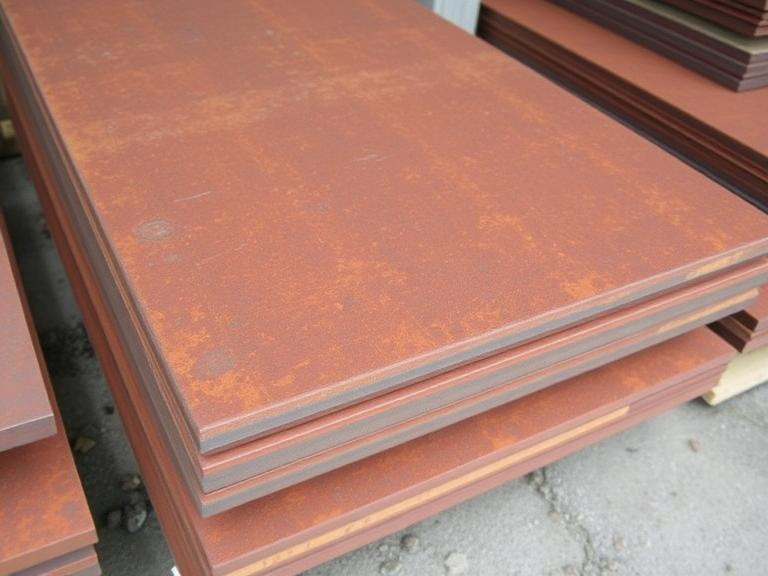
Corten A steel plates are well known for their weather resistance. Many buyers select them because they want strength without maintenance. And the material works well even when exposed to harsh outdoor conditions. So if you are building a structure that needs long service life, this grade often fits the job.
This blog will help you know what Corten A is, how it performs, its chemical composition, and the specifications that matter when buying.
What Is Corten A Steel?
Corten A is a weathering steel. It forms a stable rust-like layer when exposed to the atmosphere. This layer protects the steel from further corrosion. You do not need to paint it for protection.
It is widely used in bridges, architectural work, outdoor sculptures, and industrial projects due to its durability and aesthetic appeal.
Why Choose Corten A Steel Plates
- Corrosion Resistance: Protective oxide layer prevents further rusting.
- Low Maintenance: No need for painting or coating.
- High Strength: Suitable for heavy structural applications.
- Attractive Finish: Natural rust look preferred by architects.
Chemical Composition
| Element | Percentage (%) |
|---|---|
| Carbon (C) | 0.12 |
| Silicon (Si) | 0.25 – 0.75 |
| Manganese (Mn) | 0.20 – 0.50 |
| Phosphorus (P) | 0.07 – 0.15 |
| Sulfur (S) | 0.030 |
| Chromium (Cr) | 0.50 – 1.25 |
| Copper (Cu) | 0.25 – 0.55 |
| Nickel (Ni) | 0.65 |
Mechanical Properties
| Tensile Strength | 470 – 630 MPa |
|---|---|
| Yield Strength | 355 MPa (min) |
| Elongation | 20% (min) |
| Impact Strength | Good at low temperatures |
Specifications You Should Know
- Standards: EN 10025-5, ASTM A242 Type 1
- Thickness: 3 mm to 50 mm
- Width: Up to 3000 mm
- Length: Up to 12000 mm
- Forms: Plates, Sheets, Coils, Profiles
Applications
- Building facades
- Bridges
- Garden screens
- Rail wagons
- Outdoor sculptures
- Industrial containers